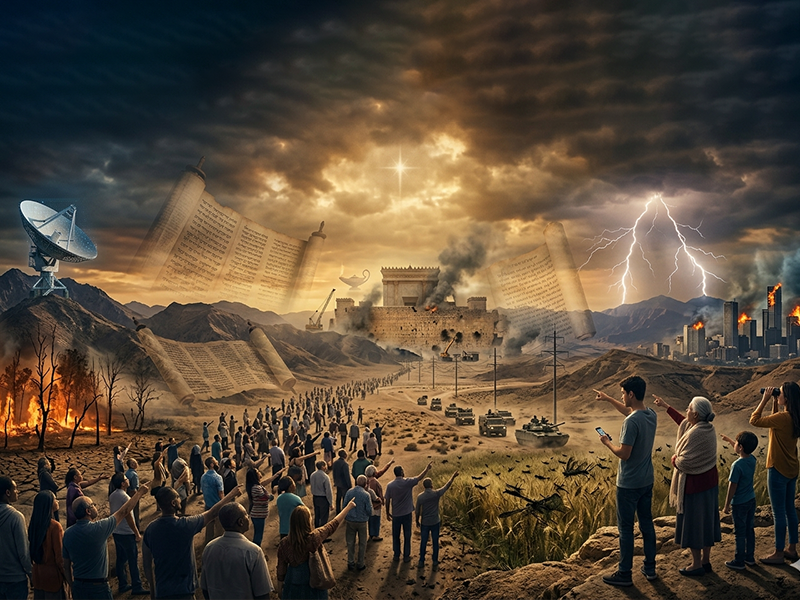
Across generations, people have looked at moments of global uncertainty and asked the same question: Are we witnessing events that were foretold long ago? From ancient scriptures to cultural prophecies, history is filled with warnings, symbols, and predictions about the direction of humanity. Today, as the world faces rapid change, that question feels more relevant than ever.
This article takes a grounded, informative look at what “signs of the times” really mean, how ancient prophecies are interpreted, and why these ideas continue to resonate in modern life.
What Are “Signs of the Times”?
The phrase refers to patterns or events believed to signal major shifts in human history, often tied to moral, spiritual, or global transformation. These signs are commonly discussed in religious, philosophical, and even cultural contexts. Traditionally, they include:
- Periods of widespread uncertainty or unrest
- Moral and ethical shifts in society
- Natural disasters or environmental instability
- Increasing division or confusion in public thought
While interpretations vary, the underlying idea remains the same: certain developments may point to larger changes ahead.
Ancient Prophecies and Their Origins
Ancient prophecies appear across multiple civilizations and belief systems. They were often recorded in sacred texts or passed down through oral tradition, describing future events using symbolic language. Some common themes found in these prophecies include:
- A struggle between truth and deception
- A period of testing or hardship
- The need for awareness and preparedness
- Eventual accountability or judgment
It’s important to understand that these writings were not always meant to provide exact timelines. Instead, they often served as guidance—encouraging people to reflect on their actions and stay grounded in their values.
Why People See Modern Parallels
In today’s world, several factors contribute to the growing interest in prophecy-related discussions:
- Information Overload
With constant access to global news and social media, people are exposed to events in real time. This creates a sense that everything is happening faster and more intensely than before.
- Global Uncertainty
Economic shifts, environmental concerns, and social tensions can make the future feel unpredictable. During such times, people naturally look for explanations or patterns.
- Search for Meaning
Beyond headlines and statistics, many individuals are asking deeper questions:
- Is there a larger purpose behind these events?
- Are these changes random or part of a bigger picture?
This search often leads back to ancient teachings and interpretations.
Understanding Symbolism vs Reality
One of the biggest challenges in interpreting prophecies is distinguishing symbolism from literal meaning. Ancient texts frequently use metaphorical language:
- “Darkness” may represent confusion or moral decline
- “Light” can symbolize truth or clarity
- “Storms” may refer to chaos or upheaval, not just weather
Taking these descriptions too literally can lead to misunderstanding. A more balanced approach is to view them as patterns that reflect human behavior over time, rather than exact predictions.
Discernment in a Noisy World
In an age where opinions spread quickly, it’s easy to get caught in extreme interpretations. Some narratives focus heavily on fear, while others dismiss the topic entirely. A more practical approach involves:
- Critical thinking: Evaluating sources and claims carefully
- Contextual understanding: Recognizing historical and cultural backgrounds
- Personal reflection: Considering what these ideas mean for your own life
Rather than asking “Is this the end?”, a more useful question might be: “What kind of life should I be living right now?”
Why These Conversations Still Matter
Whether someone views ancient prophecies as literal truth, symbolic guidance, or cultural history, their relevance lies in the questions they raise. They encourage people to think about:
- Personal responsibility
- Long-term consequences of choices
- The importance of awareness and intention
In that sense, the discussion is less about predicting events and more about understanding direction—both individually and collectively.
A Balanced Perspective Moving Forward
It’s natural to notice similarities between past writings and present-day events. However, focusing only on fear or speculation can be counterproductive. A more grounded perspective includes:
- Staying informed without becoming overwhelmed
- Focusing on values rather than uncertainty
- Making conscious, thoughtful decisions in daily life
Because, regardless of interpretation, one truth remains consistent: the way people respond to change often matters more than the change itself.
Conclusion
The idea that ancient prophecies might be unfolding today continues to spark curiosity, debate, and reflection. While interpretations differ, the underlying message often points toward awareness, accountability, and intentional living.
For readers interested in exploring these themes more deeply through a faith-centered lens, In The World by Sheimeshia Calvin presents a focused perspective on spiritual awareness, moral direction, and the importance of staying grounded in times of uncertainty.