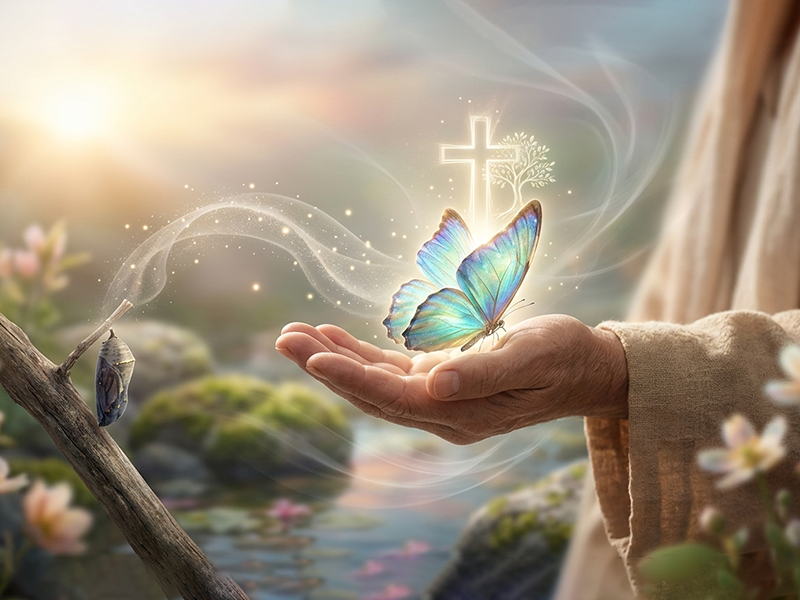
The phrase “born again” is widely recognized, yet often misunderstood. For some, it carries strong religious associations. For others, it sounds abstract or symbolic. At its core, being “born again” refers to a deep inner transformation—a shift in identity, mindset, and direction that reshapes how a person lives, thinks, and understands purpose.
This concept isn’t about physical rebirth. It points to a spiritual renewal—a turning point in which old patterns are left behind and a new way of living begins.
Understanding the Meaning of “Born Again”
To be “born again” means experiencing a renewal of the inner self. It involves:
- A change in perspective
- A shift in values and priorities
- A growing awareness of right and wrong
- A desire to live with intention and purpose
Rather than being a single emotional moment, it is often the beginning of an ongoing transformation. People who describe this experience often speak about gaining clarity, direction, and a stronger sense of meaning in their lives.
The Inner Shift: What Actually Changes
Spiritual transformation doesn’t always happen in dramatic ways. In many cases, it begins quietly—with reflection, conviction, or a realization that something needs to change. Here are some common shifts associated with being “born again”:
- A New Way of Thinking
Old patterns of thought—such as negativity, pride, or fear—begin to lose their hold. In their place, individuals develop a mindset focused on growth, humility, and purpose.
- Changed Priorities
Material success, social validation, or temporary pleasures may become less important. Instead, values like integrity, peace, and meaningful living take priority.
- Greater Self-Awareness
People become more conscious of their actions and decisions. This awareness often leads to intentional living rather than reactive behavior.
- Desire for Personal Growth
There is a natural pull toward becoming better—not just externally, but internally. This includes emotional maturity, discipline, and moral clarity.
Spiritual Transformation vs. Temporary Change
It’s important to distinguish between surface-level change and true transformation. Temporary change might look like:
- Short bursts of motivation
- External adjustments without internal reflection
- Change driven by pressure or circumstances
Spiritual transformation, on the other hand, is:
- Rooted in internal conviction
- Consistent over time
- Reflected in both attitude and behavior
Being “born again” is less about quick improvement and more about lasting realignment.
Why People Seek Spiritual Renewal
Many individuals begin their journey toward transformation during moments of:
- Personal crisis
- Emotional burnout
- Loss of direction
- A sense of emptiness despite success
These experiences often lead to deeper questions:
- What am I really living for?
- Why do I feel unfulfilled?
- What needs to change?
The idea of being “born again” speaks directly to these questions by offering a path toward renewal and clarity.
Common Misconceptions
Despite its depth, the concept is often misunderstood. Let’s clarify a few misconceptions:
“It’s Just a Religious Label”
While the phrase has religious roots, the experience itself is about inner change, not labels or identity groups.
“It Happens Instantly, and That’s It”
Transformation may begin at a specific moment, but it continues through consistent effort, reflection, and growth.
“It Means Perfection”
Being “born again” doesn’t mean becoming flawless. It means becoming aware, intentional, and committed to improvement.
How Transformation Shows in Everyday Life
Spiritual renewal becomes visible through daily choices and behaviors, such as:
- Responding with patience instead of anger
- Choosing honesty over convenience
- Letting go of harmful habits
- Developing discipline and consistency
- Treating others with respect and empathy
These changes may seem small, but over time, they create a completely different life direction.
The Role of Consistency in Growth
One of the most overlooked aspects of being “born again” is consistency. Transformation is not sustained by motivation alone. It requires:
- Regular self-reflection
- Mindful decision-making
- Commitment to values
- Willingness to correct mistakes
Growth happens gradually, through repeated choices that align with a renewed mindset.
A New Beginning, Not a Final Destination
Being “born again” is best understood as a starting point. It marks the moment when a person decides to move in a different direction—but the journey continues.
There will still be challenges, setbacks, and moments of doubt. However, the difference lies in awareness and direction. Instead of drifting, individuals begin to live with purpose and intention.
Conclusion
Understanding what it means to be “born again” goes beyond definitions—it’s about recognizing the power of inner transformation and its impact on every aspect of life. It’s a shift that starts within and gradually reshapes how a person thinks, lives, and grows.
For readers who want to explore these ideas on a deeper level—especially themes like spiritual awareness, transformation, and living with purpose in a complex world—In The World by Sheimeshia Calvin offers a reflective perspective. It brings together faith-driven insights and real-life considerations, making it a thoughtful read for anyone interested in a deeper understanding of spiritual change.